The discussion about AI in B2B marketing and corporate communications is something I encounter regularly these days – in strategy workshops, client projects, and at almost every industry event.
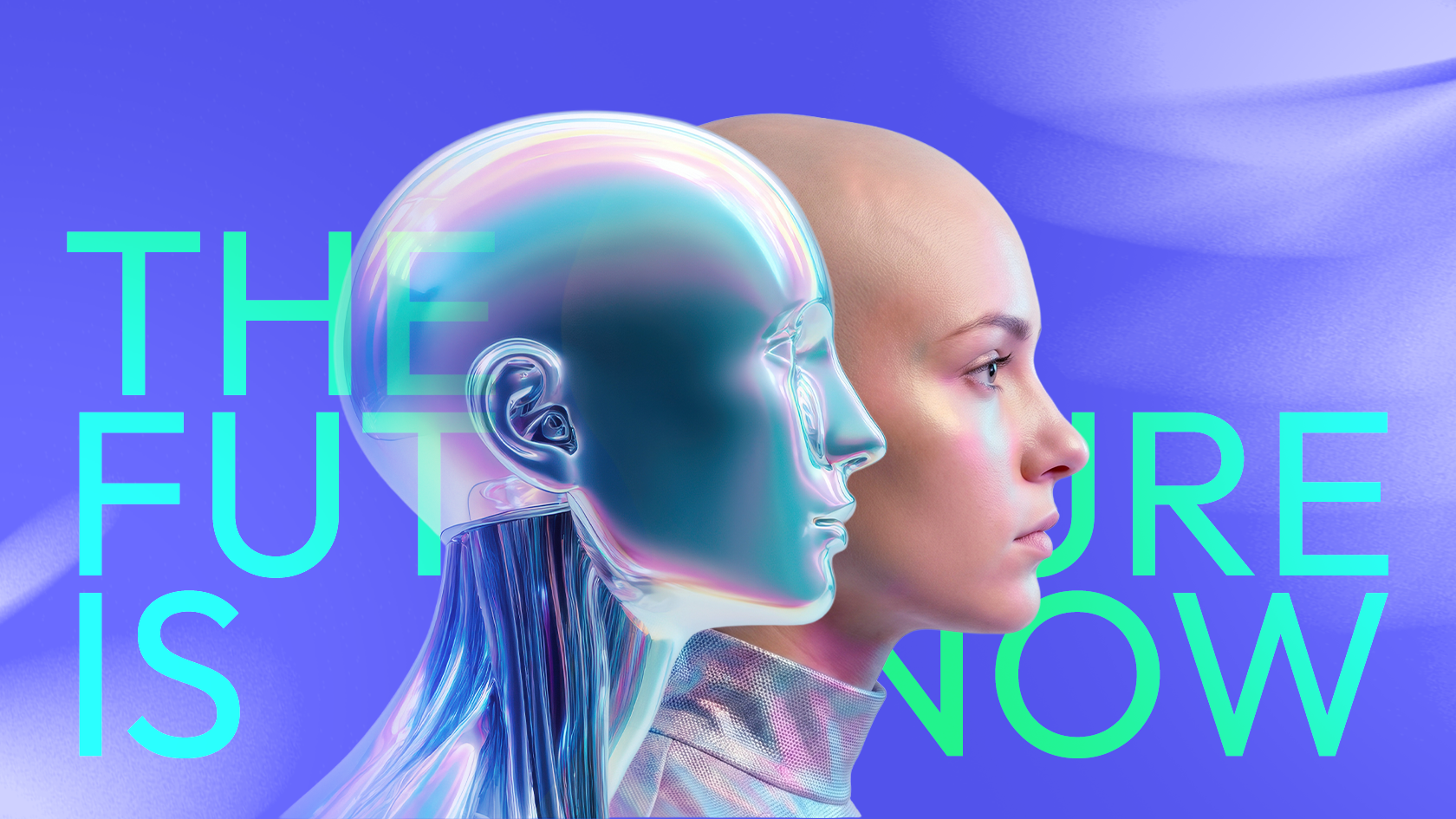
With every new AI application, the same concern seems to resonate: If generative AI develops ideas, writes copy, creates campaign concepts, outlines content strategies, and designs visuals – do we still need human creativity in marketing and communication at all?
The question is valid but it often leads in the wrong direction. Because, in my view, AI doesn't threaten our creativity. It threatens something else: our thinking.
The Great Misconception
Many people equate creativity with the ability to produce as many ideas as possible. This is exactly where AI shines.
Within seconds, dozens of headlines, campaign approaches, draft copy, or image ideas are generated. What used to take hours now happens almost in real-time.
However, the sheer quantity of ideas was never the real bottleneck. Projects rarely fail because no one has any ideas. Rather, the wrong problems are often solved, or good ideas are not prioritized and consistently implemented. Or they simply don’t fit the target audience, brand positioning, and customer journey.
Creativity is More Than Idea Generation
The truly valuable form of creativity emerges where experiential intelligence, industry knowledge, and strategic judgment converge.
When a salesperson understands why customers aren't buying despite good products.
When an engineer develops a technical solution no one has seen before.
When a leader brings together different perspectives to derive a new direction for the company.
AI can help with this: It identifies patterns in data and customer behavior, combines existing knowledge, speeds up research, and provides inspiration for content, campaigns, and communication formats. But it has no experience of its own, no sense of responsibility, no intuition. That is why AI cannot replace true creativity.
The Real Danger
In my view, the greatest danger is not that AI will become more creative than us. The greater danger is that we stop thinking for ourselves. If the first AI response is immediately accepted, strategies are adopted without scrutiny, and decisions are no longer questioned, then we lose our judgment.
And precisely this ability will become even more crucial in the future.
Because the easier it becomes to produce content and AI-generated material, the more valuable the ability to distinguish relevance from arbitrariness in content marketing becomes.
Why Creativity Becomes Even More Important
Paradoxically, AI could lead to human creativity gaining significance.
When routine tasks are automated, the human value contribution shifts – away from creation towards evaluation, away from production towards interpretation, away from information gathering towards strategic classification.
This is precisely where future competitive advantages will emerge: not through the fastest use of AI in marketing, but through the most intelligent combination of technology, communication expertise, and entrepreneurial thinking – the foundation of effective B2B brand and communication strategies.
My Conclusion
AI will transform many processes: it will boost efficiency, accelerate creative work, and take over numerous routine tasks. However, creativity was never just the ability to produce ideas.
Creativity means developing new and relevant solutions for real problems.
This still requires people – people who ask questions, identify relationships, and take responsibility.
That's why, for me, the crucial question isn't:
Does AI threaten our creativity?
But rather:
Do we use AI to expand our thinking – or to replace it?
The answer to that will determine which companies in marketing, sales, and corporate communications will truly become more innovative in the coming years. And which ones will merely communicate faster, but more indiscriminately.